• Home
  • Articles
    • Front Page
    • General Interest
    • Snippets
    • Letters to the Editor
    • Council Comments
  • Special Interests
  • Our Community
    • Our People
    • Question of the Week
    • Jobs in the Central West
    • Be Seen
    • What’s On
    • What’s Hot
  • Features
    • Women in Business
    • Rural Round Up
    • My Place
    • Loving Local Living
    • Wellness Wise
    • Just a Short Drive
    • Real Estate
  • Sports
    • Bowls
    • Cricket
    • Equestrian
    • Footy Tips
    • Golf
    • Netball
    • Rugby League
    • Rugby Union
    • Soccer
    • Touch Football
  • Classifieds
  • Competitions
  • Contact Us
    • Contact Page
    • Advertise with us
    • Testimonials
    • Submit an Article
    • Subscribe to the Forbes Phoenix

Forbes Phoenix

Diabetes Prevention

September 21, 2017 by Maggi Barnard

One Australian develops diabetes every 5 minutes, yet 60% of type 2 diabetes could be prevented (or delayed) through healthy diet and lifestyle. These healthy tips aim to help reduce your risk of developing type 2 diabetes, and help manage blood sugar levels for people who have diabetes.

One of the best ways to prevent diabetes is to cut back on your sugar intake. For the average person, you should limit your intake to 6 teaspoons per day.

Foods with hidden sugars…..

Fruit yoghurt 175g tub = SIX TEASPOONS OF SUGAR

Orange Juice 200ml glass = FOUR TEASPOONS OF SUGAR

A handful of dried fruit = SEVEN TEASPOONS OF SUGAR

Bottle of soft drink 600ml = SIXTEEN TEASPOONS OF SUGAR

To avoid eating hidden sugars you should…

• Choose “whole”, unprocessed foods: fresh vegetables, lean meat, eggs, nuts and legumes

• Choose “whole” grains instead of processed varieties, eg: brown, grainy bread, brown rice, brown pasta

• Read the labels and look for hidden sugars

• Replace soft drinks with mineral water and a slice of lemon or orange.

There are no early symptoms of high blood sugar… approximately 500,000 Australians have undiagnosed type 2 diabetes and don’t realise this is damaging their bodies while it remains untreated. The good news is that the Pharmacists at Flannery’s Pharmacy can conduct a simple risk assessment check and provide you with information and advice on diabetes or refer you to your GP for further investigation if necessary.



Teenage Cricketers And Low Back Pain

September 21, 2017 by Maggi Barnard

With a household of teenage boys, it always amuses me to see that as soon as the footy grand finals are over the cricket gear miraculously appears and watching cricket on TV for the next five months. As cricket can become a bit of an obsession for some, now is an appropriate time to highlight an injury often seen in young cricket players (under 25 years) and particularly in fast bowlers: spondylolysis.

A spondylolysis is a stress fracture in an area of the vertebrae called the pars interarticularis (pars). Pars stress fractures are thought to be caused by repetitive hyperextension and rotation loading of the spine that can occur in the bowling action. The most common site is at the level of the L5 vertebrae. Pain is usually felt on one side, occurs gradually and is aggravated by rotation and extension of the lumbar spine. In the initial phase pain will settle with rest.

Stress fractures tend to occur on the nonbowling arm side of the lower back and are typically due to errors in technique (such as a mixed bowling action, too much counter rotation or high ball release height), and/or excessive bowling work load.

If your young cricket player does complain of low back pain it is important to get a correct diagnosis. Cricket players who have had a pars stress fracture can still make a full return to sport. Initial treatment would involve rest from bowling and a rehabilitation programme focused on strengthening the deep abdominal, trunk and gluteal muscles. Bowling action may need to be modified once training is resumed.

For the fitness of you,

Linda Reilly

Wide Range Of Frames At Eyewear Specs

September 14, 2017 by Maggi Barnard

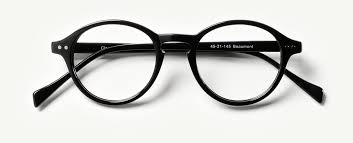
Are you thinking of getting a new pair of glasses to start afresh in Spring? There are brand new frames at Eyewear Specs and you can choose from Van Staveren, Empire New York and Australian brand Clive and Wally.

Eyewear Specs also stock the most popular brand for children and adults namely Flexon/Nike. “To see what these glasses can do is nothing but extraordinary. They are made of titanium so they are ultra strong and flexible,” said owner/manager Fiona Hayward. “That is why they are perfect for children.”

And remember as a special you can get a free second pair with every new pair!

It is not just a case of getting new glasses when you feel like it. “Eye care is very important and it is essential that people have their eyes tested every two years,” says Fiona.

“Here at Eyewear Specs there is no cost to you for an eye examination as we bulk bill all testing with a valid Medicare Card.” According to Fiona there are up to 260 different eye frames and all stock is rotated every three months so you can be sure to pick an individual frame.

Make your appointment today by calling 6851 2299 or pop in at 95 Rankin Street in Forbes. “Please come and see us to have your eyes tested and we will tailor a pair of glasses to suit your individual financial budget.”


Are You Happy With The Rebate Your Health Fund Pays For Physio?

September 7, 2017 by Maggi Barnard

Recent research by the Australian Physiotherapy Association (APA) shows that many of the major Australian health funds have not substantially increased their rebate for seeing some physiotherapists in more than a decade. The APA has said that this is “inequitable and unfairly pressures patients into the health insurer’s selection of physiotherapist, despite choice being a core tenet of the Australian private health system.” Preferred provider schemes limit your freedom to choose the physiotherapist that is best able to treat their specific injury or condition.

The APA advises that when looking for a health fund that is right for you, you should look for one that not only meets your needs and provides good rebates for the services that you need but one that offers flexibility and allows you to see the physiotherapist that you want to see should you require their services.

The preferred provider schemes offered by health funds make no distinction between the level of experience or qualifications of your treating practitioner. The rebate you receive per consultation is the same whether you were treated by a new graduate on their  first day of work, or by someone like myself with an APA Sports Physio title, Masters degree and over 20 years of private practice experience. I am not part of any preferred provider scheme because I believe that, to achieve the best health outcomes, insurers should provide higher rebates for more experienced and qualified physiotherapists and they should allow you your choice of physiotherapist without you being financially disadvantaged. For the fitness of you.

Linda Reilly

Heart Foundation’s Mymarathon Hopes

August 17, 2017 by Maggi Barnard

Up to 3.6 million Australians are not doing any exercise at all and over half say they mostly sit on a typical work day, according to new research from the Heart Foundation.

Alarmingly, couch potatoes are starting young, with almost one in five parents saying their child was inactive, and a third blaming a lack of interest and a preference for electronic games.

The Heart Foundation asked 1,001 adults about their weight and exercise patterns, and the activity levels of their children. The findings, published earlier this month in the Heart Foundation’s National Physical Activity Plan report included:

Only 20% of adults meet the national guidelines for enough exercise (30 minutes, five times a week).

One 7% of children get the recommended one hour a day of exercise, meaning 600,000 children are inactive.

Older Australians are more active than younger Australians.

Adjunct Professor John Kelly, CEO – National of the Heart Foundation, said: “Physical inactivity is one of the most significant global health crises. Our survey shows that levels of physical inactivity and sedentary behaviour in Australia remain worryingly high, which is a serious threat to our heart health and increases our risk of early death.”

The Heart Foundation survey found that people who did no exercise – about 3.6 million adults – said the main barrier was lack of time, followed by a lack of enjoyment of exercise and a preference for doing other things. Those who did exercise were motivated first by the desire to lose weight, followed by concern for their appearance, and then concern for their health.

The preferred exercises were walking, going to the gym, jogging or running.

“Making physical activity easier and more accessible for all is vitally important if we are to reduce ill health. That’s why we have launched the MyMarathon challenge – an ideal way for people of all fitness levels to increase their exercise and improve heart health, while raising funds to fight heart disease,” said Professor Kelly.

The MyMarathon challenge runs during October and encourages people of all fitness levels to run or walk the equivalent of a marathon (42.2 kilometres) in their own time over a month. Money raised will help to fund life-saving research to fight heart disease.

Equivalent to just 20-30 minutes of brisk walking each day, it’s an achievable goal for most people, helping them reach the recommended physical activity levels and improve their own heart health.

The challenge was initially run in the UK by the British Heart Foundation. This year the aim is to get 10,000 Aussies off the couch and into their trainers to raise $800,000 for life-saving research.

To find out more visit https://www.heartfoundation.org.au/mymarathon

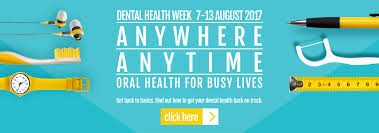
Dental Health Week

August 3, 2017 by Maggi Barnard

Snoring? Nodding Off A Lot? Did You Know Your Dentist Can Treat Sleep Apnoea?

Obstructive Sleep Apnoea is a relatively common condition contributing to serious health problems such as high blood pressure, diabetes, heart attack, accidents and stroke. It is caused by the muscles in your mouth and throat relaxing and interfering with your breathing while you sleep.

Along with snoring, the first signs of Obstructive Sleep Apnoea (OSA) that many people notice is falling asleep in the daytime — in front of the TV, at work or behind the wheel. SomnoDent® devices are an alternative to the traditional Continuous Positive Airway Pressure (CPAP) mask. It works by holding your lower jaw slightly forward.

Nine out of ten users say SomnoDent is comfortable to use. They sleep better at night, and so do their partners! See your Doctor or Dentist for more information on Obstructive Sleep Apnoea.

Keeping An Eye On Blood Pressure Key To Stroke Prevention

July 20, 2017 by Maggi Barnard

Stroke is one of Australia’s biggest killers and is a leading cause of disability in Australia. It kills more women than breast cancer, and more men than prostate cancer. The Stroke Foundation website reports that, in 2017, there will be more than 55,000 new and recurrent strokes – that is 1000 strokes every week or one stroke every 10 minutes.

The good news is that more than 80% of strokes can be prevented, and keeping an eye on your blood pressure plays a big part in that.
Throughout May and June, people around Australia took part in Australia’s Biggest Blood Pressure Check, making it a huge success.
During the campaign a record 63,211 checks were delivered by Stroke Foundation in partnership with Priceline Pharmacy across the country. The campaign far exceeded last year’s tally of 56,000 health checks.

Disturbingly, one in three participants was found to have high blood pressure, which is a key risk factor for stroke. The results came as a wake-up call to many, as high blood pressure often has no symptoms. Those found to have high blood pressure and an increased stroke risk were referred onto their doctor for advice on lowering their blood pressure, reducing their risk of stroke and improving their overall
health.

There are many things we can all do to help protect ourselves from stroke, like managing our blood pressure, getting more active, maintaining a healthy diet, stopping smoking and reducing our alcohol consumption. Sharon McGowan, Chief Executive Officer of the Stroke Foundation, is grateful for the support the Stroke Foundation receives around the country. “Thanks to our incredible supporters,
more Australians are aware of their stroke risk than ever before. But the work doesn’t stop here – it is our mission to prevent, treat and beat stroke. With your help, the Stroke Foundation can continue to run free community health checks to identify Australians at risk of stroke and save lives.

“If we can reduce high blood pressure we will have a direct and lasting impact on the rate of stroke in this country,” said Ms McGowan.
It is important to know your blood pressure numbers, so if you haven’t had your blood pressure tested lately, make a time to see your doctor for a quick check.

The Stroke Foundation recommends the F.A.S.T. test as an easy way to remember the most common signs of stroke. Using the F.A.S.T. test involves asking these simple questions:
• Face Check their face. Has their mouth drooped?
• Arms Can they lift both arms?
• Speech Is their speech slurred? Do they understand you?
• Time Is critical. If you see any of these signs call 000 straight away.

Emergency medical treatment soon after symptoms begin improves the chance of survival and successful rehabilitation. For more information, talk to your doctor, or visit www.strokefoundation.org.au

New Podiatry Services For Forbes

June 22, 2017 by Maggi Barnard

Flannery’s Pharmacy is happy to announce a new podiatry service available at the pharmacy. Adam Debenham, who is originally from Forbes, and Bill Devanney will be visiting Flannery’s Pharmacy commencing 19th July to provide easy access to podiatry services for Forbes residents.

Our feet do an amazing job getting us from A to B throughout our lives and endure a lot of punishment in between. Often this pun- ishment can leave us with small deformities, callous, corns or difficulty to manage nails that impact greatly on our day to day lives. Doctors Choice Podiatry can offer a multitude of solutions to many of these disabling problems.

Biomechanical abnormalities can also cause issues with our gait, which can lead to pain and injury. Not all abnormalities require treatment with orthotics. Following a thorough assessment, Doctors Choice Podiatry can offer appropriate therapies ranging from simple stretching or strengthening exercises right through to prescribing custom-made orthotics.

Unfortunately, diabetes can have a major impact on our feet, especially circulation and sensation. Doctors Choice Podiatry can provide specialised nail care, corn and callous debridement, padding, offloading, along with vascular and neurological assessments.

“Flannery’s Pharmacy is very happy to be able to provide a podiatry service to the local community in one of the brand new consult rooms,” said Business Manager, Debbie Prior.

If you would like an appointment or more information please contact Flannery’s Pharmacy on 6852 1111 or call into the store.

Warning Over Mindfulness Apps Offering Quick Fix

May 18, 2017 by Maggi Barnard

Doctors are warning about the risks of relying on smartphone mindfulness apps, offering meditation and breathing exercises, for your mental health.

The apps have become some of the most popular downloads, offering everything from improved creativity to pain relief.

“We noticed that apps are promising consumers quick, easy, effortless and often instant solutions, to what they’re framing as their health issues,” said Dr Quinn Grundy, a postdoctoral researcher with the Univer- sity of Sydney’s Charles Perkins Centre.


She said that such quick-fix pledges could be damaging to those seeking help. “If your app has promised that you’ll get better really easily and really quickly and you don’t, consumers shouldn’t feel like there’s something wrong with them,” Dr Grundy said. “Or that their mental health can’t be treated.”

While the apps tout their healing credentials, only a small percentage of them have been created by universities or healthcare professionals.

“There was a couple from the government that we looked at, the Department of Defence for example, and a few from some prominent mental health organisations — and I would say that we had the most confidence in those.”

Many of the apps offer a small amount of content for free, after that users are asked to subscribe. While this has become common to many types of apps, Dr Grundy said those downloading mental health apps were already vulnerable.

“We would argue that mental health consumers are perhaps in a more vulnerable position to things like targeted advertising, or in-app purchases or a subscription model,” she said.

She said app creators, as well as moderators of online stores, needed to face increased regulation.

“Although developers are often the target of regulation, the big players like Apple and Google are really the de facto gate- keepers at the moment,” she said.

One PHD student said she started using a mindfulness app last year to help her with some ‘bouts of anxiety and stress’.

She decided to download an app that was highly-rated in the app store, however it soon began increasing her anxiety.

“The app would ask you to rate on a scale how you felt you’d done in certain areas of the day,” she said. “For example, had you exercised, eaten healthy, had you done any relaxation techniques.”

“If I missed out on a few activities in a day, the app would actually rate my day and it would sort of tell me that I hadn’t had a good day.”

The student said she no longer used a mindfulness app, and recommended using any of these programs in conjunction with professional advice.

(Source: abc.net.au)

Adults Shirk Fruit And Veggies Too

April 20, 2017 by Maggi Barnard

Australia’s largest ever fruit and vegetable survey has found that four out of five Australian adults are not eating enough fruit and vegetables in order to meet the Aus- tralian Dietary Guidelines.

The Fruit, Vegetables and Diet Score Report released recently, found one in two (51 per cent) adults are not eating the rec- ommended intake of fruit, while two out of three adults (66 per cent) are not eating enough vegetables.

The report, produced by the CSIRO and commissioned by Horticulture Innovation Australia, compiled the dietary habits of adults across Australia over an 18-month period.

With 145,975 participants nationwide, the survey was the largest of its kind ever conducted in Australia.

The overwhelming message is that most Australians are not as healthy as they think, and need to eat higher quantities and a greater variety of fruit and vegetables every day to meet the minimum Australian benchmark.

To help meet the benchmark, CSIRO sug- gests adults eat at least three serves of dif- ferent vegetables every dinner time.

One of the key findings in the research is that a focus on variety could be the solution to boosting consumption.

People across Australia, in all occupa- tions and weight ranges, were invited to participate in the online survey between May 2015 and October 2016.

Women reported slightly better fruit and vegetable consumption with 24 per cent meeting both guidelines, compared with only 15 per cent of men surveyed.

When comparing the figures by occupation, construction workers and those in the science and programming sector recorded the poorest fruit and vegetable eating habits.

On the other hand, retirees and health industry workers were more likely to meet the recommended dietary guidelines.

To find out how your diet stacks up and if you’re eating enough fruit and vegetables, take a few minutes to complete the CSIRO Healthy Diet Score survey – a free online questionnaire which evaluates diet quality and identifies individual areas of improve- ment, as well as providing a personal diet score out of 100.

To take the free CSIRO Healthy Diet Score please visit www.csirodietscore. com

  • « Previous Page
  • 1
  • …
  • 28
  • 29
  • 30
  • 31
  • 32
  • Next Page »

Click here to download the recent issue (186) of The Forbes & Parkes Phoenix (2.1MB PDF) – 24th April 2026

SEARCH THE PHOENIX

STAY CONNECTED

The Forbes Phoenix would like to thank you, our Facebook friends, for your continued support and readership!

Recent Articles

  • Snippets… April 23, 2026
  • Mayoral Notes April 23, 2026
  • Four Days Of Double Demerits This Anzac Day Long Weekend April 23, 2026
  • Forbes Marks Anzac Day With Services And Special Town Hall Tribute April 23, 2026
  • Celebrating Our Stories, Places And People April 23, 2026

Phoenix Office 7/113-127 Rankin Street, Forbes NSW 2871

Editor 0432 337 278
editor@forbesphoenix.com.au

Sales 0432 337 278
sales@forbesphoenix.com.au

View our Privacy Policy. View our Conflict Resolution Process. View our Ethics and Complaints Policy. Want to advertise with us? Information on our Community Promotions.

We are always looking for new articles of interest to the local community.

Please feel free to submit an article for possible inclusion in a future issue.

To submit an article, click here to use our online article submission form.

Subscribe

* indicates required

Copyright © 2026 · Magazine Pro Theme On Genesis Framework · WordPress · Log in