• Home
  • Articles
    • Front Page
    • General Interest
    • Snippets
    • Letters to the Editor
    • Council Comments
  • Special Interests
  • Our Community
    • Our People
    • Question of the Week
    • Jobs in the Central West
    • Be Seen
    • What’s On
    • What’s Hot
  • Features
    • Women in Business
    • Rural Round Up
    • My Place
    • Loving Local Living
    • Wellness Wise
    • Just a Short Drive
    • Real Estate
  • Sports
    • Bowls
    • Cricket
    • Equestrian
    • Footy Tips
    • Golf
    • Netball
    • Rugby League
    • Rugby Union
    • Soccer
    • Touch Football
  • Classifieds
  • Competitions
  • Contact Us
    • Contact Page
    • Advertise with us
    • Testimonials
    • Submit an Article
    • Subscribe to the Forbes Phoenix

Forbes Phoenix

Swimmer’s Shoulder Part 1

November 16, 2017 by Maggi Barnard

With the weather finally warming up swimming is an ideal way to get a full body workout. Due to the repetitive nature of swimming, overuse injuries in the shoulder and neck are common.

The shoulder is a ball and socket joint with a ring of cartilage around the socket to make the joint more stable. Around this is a loose joint capsule that is reinforced with ligaments and muscles. Because the shoulder is a very mobile joint it relies on the action of these muscles and ligaments to maintain stability. These muscles are called the rotator cuff and consist of four muscles that work together to keep your shoulder centred in its socket.

So if swimming strengthens the shoulder muscles why do so many swimmers have shoulder problems?

The simple answer is due to the repetitive nature of swimming. The more complex answer lies in the fact that many swimmers don’t have good stroke technique, while those that do, can still have problems because the swim stroke (in particular freestyle) mainly strengthens the shoulder internal rotators and adductors. This causes muscle imbalance, leaving the scapular stabilisers and external rotators relatively weak and joint laxity increases. The rotator cuff must work harder to keep the shoulder centred in the socket. When the already relatively weakened external rotators fatigue, the ball of the shoulder joint moves forward and the tendon of the rotator cuff muscles is pinched between the bones as the hand is raised above shoulder height.

Next column I will cover some practical ways to prevent this from happening and what to do if you already have problems. For the fitness of you.

Linda Reilly
Hay Fever Help

October 26, 2017 by Maggi Barnard

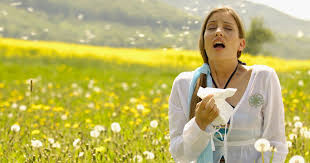
Spring has well and truly sprung, leading to a great number of us suffering from Allergic Rhinitis – also known as hay fever.

Hay fever can occur seasonally or year round and symptoms differ from person to person. It’s estimated that 20% of people will suffer from hay fever at any given time.

Interestingly hay fever is not caused by hay and doesn’t result in fever! Instead it is caused by allergens such as pollens, dust mites, mould and animal hair.

Signs and symptoms of hay fever include a runny nose, rubbing of the nose, itchy nose, itchy watery eyes or sneezing.

Here are some general preventative steps that might help: avoid cutting grass, playing or walking in grassy areas, and camping; wear wraparound sunglasses; change yourclothes and take a shower after being outdoors to remove the pollen on your body; keep the windows closed at home and in the car, and use recirculating air-conditioning in the car; try to stay indoors when the pollen index or count is high (refer to Weather zone www.weatherzone.com.au), or the pollen forecast and if possible, avoid drying clothes outside. This will help prevent bringing pollen into your house.

There are several treatment options for hay fever, so call in and speak to one of the friendly pharmacists or team members at Flannery’s or Life Pharmacy to tailor an effective solution for you.

Treatment options include but are not limited to: Antihistamine tablets, eye drops and nasal sprays (non-sedating) to help reduce symptoms such as sneezing, itchy and irritated eyes. These only need to be taken when you have the symptoms.

Nasal Corticosteroid sprays, a potent anti-inflammatory action when used regularly. Perfect for those who suffer regular/seasonal allergies.

Avoiding Muscle And Joint Pain

October 19, 2017 by Maggi Barnard

Now that the days are getting longer and warmer, we tend to take on more chores in and around our homes.

Extra gardening, dusting off the cobwebs, window cleaning, spring cleaning and preparation for Christmas becomes an added part to our day.

Long and extended activity that has not formed part of our usual routine may lead to a lot of muscle and joint pain.

To avoid these unwanted muscle and joint pains it is important to take precautions prior to doing these jobs.

Start by stretching your arms and legs. Take regular breaks and walk around a little.

Combined with drinking enough water, sore limbs and other injuries may be eliminated. These allow our body to resume its normal posture.

Planning ahead by doing a little extra each day will also enable you to get the task done with much less pain.

Remember, the quicker you receive massage therapy the quicker the recovery time.

To schedule a massage appointment contact Greg Howell at Forbes Bowen Therapy

& Wellness on 0427 592 771.

The Truth About Tennis Elbow

October 19, 2017 by Maggi Barnard

Tennis elbow (lateral epicondylalgia) is a general term used to describe pain on the outside of the elbow. Ironically, most people who get tennis elbow do not play tennis and whilst pain is felt at the elbow it is a degenerative problem that involves the wrist and finger extensor muscles.

Typically, those with tennis elbow will experience pain when performing gripping tasks or resisted wrist or finger extension. There will be tenderness over the bone on the outside of the elbow and the muscles of the forearm may feel very tight. Often grip strength is decreased and it is painful to grip or lift objects or to shake hands.

In the not so distant past, it was thought that this was an inflammatory condition and the common advice was to rest, and take anti-inflammatories. We now know that this is a degenerative condition of the tendon where the wrist extensors attach to the lateral epicondyle of the elbow. The cause can be due to one large/strong movement or repeated movements that stress the tendon to the point where the tendon is unable to repair as quickly as damage is occurring.

Initially treatment involves rest from the aggravating activities and gentle strengtheningexercises to stimulate the growth of new tendon cells within the tendon. Load management is important, for example instead of painting that room in one day complete it over several days to minimise aggravation. Initially isometric exercises such as tensing your forearm muscles without moving your wrist will help relieve symptoms. These are later progressed to eccentric strengthening exercises to prevent reinjury.

For the fitness of you,

Linda Reilly

Shin Splints

October 5, 2017 by Maggi Barnard

With winter sports winding up and pre-season training for summer sports commencing, it is not surprising that today I saw my first case of shin splints (Medial Tibial Stress Syndrome), for this year.

Medial Tibial Stress Syndrome (MTSS) is the medical name for lower leg pain that occurs below the knee on either the front outside part of the leg (anterior shin splints) or the inside of the leg (medial shin splints). MTTS is a common injury seen in many running or jumping based sports for example, basketball, netball, football or hockey.

Shin splints most commonly occur when repetitive or prolonged activities place strain on where the muscles attach to the outside lining of the bone (tenoperiosteum). Put simply, the cause of MTTS can be summed up in four words: too much too soon. Athletes often first experience shin pain early in the season due to deconditioning and when training surfaces are generally harder. Later in the season it can be caused by increased load or fatigue from over training and not allowing enough time for recovery between activities.

If you have shin splints stretch your calf muscles regularly through the day. Another good stretch is to kneel on a carpeted floor with your legs and feet together and toes pointed directly back then slowly sit back onto your heels, pushing your ankles onto the floor until you feel tension in the muscles in your shin. Hold for 15 seconds then relax and repeat. When you return to sport, increase your load slowly and avoid running on hills and hard surfaces until your pain goes completely.

“For the fitness of you”

Linda Reilly

Diabetes Prevention

September 21, 2017 by Maggi Barnard

One Australian develops diabetes every 5 minutes, yet 60% of type 2 diabetes could be prevented (or delayed) through healthy diet and lifestyle. These healthy tips aim to help reduce your risk of developing type 2 diabetes, and help manage blood sugar levels for people who have diabetes.

One of the best ways to prevent diabetes is to cut back on your sugar intake. For the average person, you should limit your intake to 6 teaspoons per day.

Foods with hidden sugars…..

Fruit yoghurt 175g tub = SIX TEASPOONS OF SUGAR

Orange Juice 200ml glass = FOUR TEASPOONS OF SUGAR

A handful of dried fruit = SEVEN TEASPOONS OF SUGAR

Bottle of soft drink 600ml = SIXTEEN TEASPOONS OF SUGAR

To avoid eating hidden sugars you should…

• Choose “whole”, unprocessed foods: fresh vegetables, lean meat, eggs, nuts and legumes

• Choose “whole” grains instead of processed varieties, eg: brown, grainy bread, brown rice, brown pasta

• Read the labels and look for hidden sugars

• Replace soft drinks with mineral water and a slice of lemon or orange.

There are no early symptoms of high blood sugar… approximately 500,000 Australians have undiagnosed type 2 diabetes and don’t realise this is damaging their bodies while it remains untreated. The good news is that the Pharmacists at Flannery’s Pharmacy can conduct a simple risk assessment check and provide you with information and advice on diabetes or refer you to your GP for further investigation if necessary.


Teenage Cricketers And Low Back Pain

September 21, 2017 by Maggi Barnard

With a household of teenage boys, it always amuses me to see that as soon as the footy grand finals are over the cricket gear miraculously appears and watching cricket on TV for the next five months. As cricket can become a bit of an obsession for some, now is an appropriate time to highlight an injury often seen in young cricket players (under 25 years) and particularly in fast bowlers: spondylolysis.

A spondylolysis is a stress fracture in an area of the vertebrae called the pars interarticularis (pars). Pars stress fractures are thought to be caused by repetitive hyperextension and rotation loading of the spine that can occur in the bowling action. The most common site is at the level of the L5 vertebrae. Pain is usually felt on one side, occurs gradually and is aggravated by rotation and extension of the lumbar spine. In the initial phase pain will settle with rest.

Stress fractures tend to occur on the nonbowling arm side of the lower back and are typically due to errors in technique (such as a mixed bowling action, too much counter rotation or high ball release height), and/or excessive bowling work load.

If your young cricket player does complain of low back pain it is important to get a correct diagnosis. Cricket players who have had a pars stress fracture can still make a full return to sport. Initial treatment would involve rest from bowling and a rehabilitation programme focused on strengthening the deep abdominal, trunk and gluteal muscles. Bowling action may need to be modified once training is resumed.

For the fitness of you,

Linda Reilly

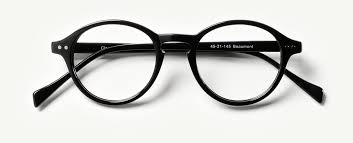
Wide Range Of Frames At Eyewear Specs

September 14, 2017 by Maggi Barnard

Are you thinking of getting a new pair of glasses to start afresh in Spring? There are brand new frames at Eyewear Specs and you can choose from Van Staveren, Empire New York and Australian brand Clive and Wally.

Eyewear Specs also stock the most popular brand for children and adults namely Flexon/Nike. “To see what these glasses can do is nothing but extraordinary. They are made of titanium so they are ultra strong and flexible,” said owner/manager Fiona Hayward. “That is why they are perfect for children.”

And remember as a special you can get a free second pair with every new pair!

It is not just a case of getting new glasses when you feel like it. “Eye care is very important and it is essential that people have their eyes tested every two years,” says Fiona.

“Here at Eyewear Specs there is no cost to you for an eye examination as we bulk bill all testing with a valid Medicare Card.” According to Fiona there are up to 260 different eye frames and all stock is rotated every three months so you can be sure to pick an individual frame.

Make your appointment today by calling 6851 2299 or pop in at 95 Rankin Street in Forbes. “Please come and see us to have your eyes tested and we will tailor a pair of glasses to suit your individual financial budget.”


Are You Happy With The Rebate Your Health Fund Pays For Physio?

September 7, 2017 by Maggi Barnard

Recent research by the Australian Physiotherapy Association (APA) shows that many of the major Australian health funds have not substantially increased their rebate for seeing some physiotherapists in more than a decade. The APA has said that this is “inequitable and unfairly pressures patients into the health insurer’s selection of physiotherapist, despite choice being a core tenet of the Australian private health system.” Preferred provider schemes limit your freedom to choose the physiotherapist that is best able to treat their specific injury or condition.

The APA advises that when looking for a health fund that is right for you, you should look for one that not only meets your needs and provides good rebates for the services that you need but one that offers flexibility and allows you to see the physiotherapist that you want to see should you require their services.

The preferred provider schemes offered by health funds make no distinction between the level of experience or qualifications of your treating practitioner. The rebate you receive per consultation is the same whether you were treated by a new graduate on their  first day of work, or by someone like myself with an APA Sports Physio title, Masters degree and over 20 years of private practice experience. I am not part of any preferred provider scheme because I believe that, to achieve the best health outcomes, insurers should provide higher rebates for more experienced and qualified physiotherapists and they should allow you your choice of physiotherapist without you being financially disadvantaged. For the fitness of you.

Linda Reilly
Heart Foundation’s Mymarathon Hopes

August 17, 2017 by Maggi Barnard

Up to 3.6 million Australians are not doing any exercise at all and over half say they mostly sit on a typical work day, according to new research from the Heart Foundation.

Alarmingly, couch potatoes are starting young, with almost one in five parents saying their child was inactive, and a third blaming a lack of interest and a preference for electronic games.

The Heart Foundation asked 1,001 adults about their weight and exercise patterns, and the activity levels of their children. The findings, published earlier this month in the Heart Foundation’s National Physical Activity Plan report included:

Only 20% of adults meet the national guidelines for enough exercise (30 minutes, five times a week).

One 7% of children get the recommended one hour a day of exercise, meaning 600,000 children are inactive.

Older Australians are more active than younger Australians.

Adjunct Professor John Kelly, CEO – National of the Heart Foundation, said: “Physical inactivity is one of the most significant global health crises. Our survey shows that levels of physical inactivity and sedentary behaviour in Australia remain worryingly high, which is a serious threat to our heart health and increases our risk of early death.”

The Heart Foundation survey found that people who did no exercise – about 3.6 million adults – said the main barrier was lack of time, followed by a lack of enjoyment of exercise and a preference for doing other things. Those who did exercise were motivated first by the desire to lose weight, followed by concern for their appearance, and then concern for their health.

The preferred exercises were walking, going to the gym, jogging or running.

“Making physical activity easier and more accessible for all is vitally important if we are to reduce ill health. That’s why we have launched the MyMarathon challenge – an ideal way for people of all fitness levels to increase their exercise and improve heart health, while raising funds to fight heart disease,” said Professor Kelly.

The MyMarathon challenge runs during October and encourages people of all fitness levels to run or walk the equivalent of a marathon (42.2 kilometres) in their own time over a month. Money raised will help to fund life-saving research to fight heart disease.

Equivalent to just 20-30 minutes of brisk walking each day, it’s an achievable goal for most people, helping them reach the recommended physical activity levels and improve their own heart health.

The challenge was initially run in the UK by the British Heart Foundation. This year the aim is to get 10,000 Aussies off the couch and into their trainers to raise $800,000 for life-saving research.

To find out more visit https://www.heartfoundation.org.au/mymarathon

  • « Previous Page
  • 1
  • …
  • 27
  • 28
  • 29
  • 30
  • 31
  • Next Page »

Click here to download the recent issue (176) of The Forbes & Parkes Phoenix (1.6MB PDF) – 13th February 2026

SEARCH THE PHOENIX

STAY CONNECTED

The Forbes Phoenix would like to thank you, our Facebook friends, for your continued support and readership!

Recent Articles

  • A $7.6 Million Boost For Forbes Future Water Security February 12, 2026
  • Mayoral Notes February 12, 2026
  • Snippets… February 12, 2026
  • Indigenous Storytellers Scholarship Returns February 12, 2026
  • Meet Indigenous Chef Mindy Woods At Forbes Crop Swap February 12, 2026

Phoenix Office 7/113-127 Rankin Street, Forbes NSW 2871

Editor 0432 337 278
editor@forbesphoenix.com.au

Sales 0432 337 278
sales@forbesphoenix.com.au

View our Privacy Policy. View our Conflict Resolution Process. View our Ethics and Complaints Policy. Want to advertise with us? Information on our Community Promotions.

We are always looking for new articles of interest to the local community.

Please feel free to submit an article for possible inclusion in a future issue.

To submit an article, click here to use our online article submission form.

Subscribe

* indicates required

Copyright © 2026 · Magazine Pro Theme On Genesis Framework · WordPress · Log in