• Home
  • Articles
    • Front Page
    • General Interest
    • Snippets
    • Letters to the Editor
    • Council Comments
  • Special Interests
  • Our Community
    • Our People
    • Question of the Week
    • Jobs in the Central West
    • Be Seen
    • What’s On
    • What’s Hot
  • Features
    • Women in Business
    • Rural Round Up
    • My Place
    • Loving Local Living
    • Wellness Wise
    • Just a Short Drive
    • Real Estate
  • Sports
    • Bowls
    • Cricket
    • Equestrian
    • Footy Tips
    • Golf
    • Netball
    • Rugby League
    • Rugby Union
    • Soccer
    • Touch Football
  • Classifieds
  • Competitions
  • Contact Us
    • Contact Page
    • Advertise with us
    • Testimonials
    • Submit an Article
    • Subscribe to the Forbes Phoenix

Forbes Phoenix

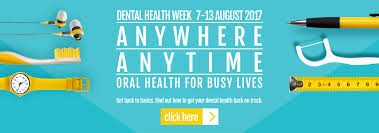
Dental Health Week

August 3, 2017 by Maggi Barnard

Snoring? Nodding Off A Lot? Did You Know Your Dentist Can Treat Sleep Apnoea?

Obstructive Sleep Apnoea is a relatively common condition contributing to serious health problems such as high blood pressure, diabetes, heart attack, accidents and stroke. It is caused by the muscles in your mouth and throat relaxing and interfering with your breathing while you sleep.

Along with snoring, the first signs of Obstructive Sleep Apnoea (OSA) that many people notice is falling asleep in the daytime — in front of the TV, at work or behind the wheel. SomnoDent® devices are an alternative to the traditional Continuous Positive Airway Pressure (CPAP) mask. It works by holding your lower jaw slightly forward.

Nine out of ten users say SomnoDent is comfortable to use. They sleep better at night, and so do their partners! See your Doctor or Dentist for more information on Obstructive Sleep Apnoea.

Keeping An Eye On Blood Pressure Key To Stroke Prevention

July 20, 2017 by Maggi Barnard

Stroke is one of Australia’s biggest killers and is a leading cause of disability in Australia. It kills more women than breast cancer, and more men than prostate cancer. The Stroke Foundation website reports that, in 2017, there will be more than 55,000 new and recurrent strokes – that is 1000 strokes every week or one stroke every 10 minutes.

The good news is that more than 80% of strokes can be prevented, and keeping an eye on your blood pressure plays a big part in that.
Throughout May and June, people around Australia took part in Australia’s Biggest Blood Pressure Check, making it a huge success.
During the campaign a record 63,211 checks were delivered by Stroke Foundation in partnership with Priceline Pharmacy across the country. The campaign far exceeded last year’s tally of 56,000 health checks.

Disturbingly, one in three participants was found to have high blood pressure, which is a key risk factor for stroke. The results came as a wake-up call to many, as high blood pressure often has no symptoms. Those found to have high blood pressure and an increased stroke risk were referred onto their doctor for advice on lowering their blood pressure, reducing their risk of stroke and improving their overall
health.

There are many things we can all do to help protect ourselves from stroke, like managing our blood pressure, getting more active, maintaining a healthy diet, stopping smoking and reducing our alcohol consumption. Sharon McGowan, Chief Executive Officer of the Stroke Foundation, is grateful for the support the Stroke Foundation receives around the country. “Thanks to our incredible supporters,
more Australians are aware of their stroke risk than ever before. But the work doesn’t stop here – it is our mission to prevent, treat and beat stroke. With your help, the Stroke Foundation can continue to run free community health checks to identify Australians at risk of stroke and save lives.

“If we can reduce high blood pressure we will have a direct and lasting impact on the rate of stroke in this country,” said Ms McGowan.
It is important to know your blood pressure numbers, so if you haven’t had your blood pressure tested lately, make a time to see your doctor for a quick check.

The Stroke Foundation recommends the F.A.S.T. test as an easy way to remember the most common signs of stroke. Using the F.A.S.T. test involves asking these simple questions:
• Face Check their face. Has their mouth drooped?
• Arms Can they lift both arms?
• Speech Is their speech slurred? Do they understand you?
• Time Is critical. If you see any of these signs call 000 straight away.

Emergency medical treatment soon after symptoms begin improves the chance of survival and successful rehabilitation. For more information, talk to your doctor, or visit www.strokefoundation.org.au

New Podiatry Services For Forbes

June 22, 2017 by Maggi Barnard

Flannery’s Pharmacy is happy to announce a new podiatry service available at the pharmacy. Adam Debenham, who is originally from Forbes, and Bill Devanney will be visiting Flannery’s Pharmacy commencing 19th July to provide easy access to podiatry services for Forbes residents.

Our feet do an amazing job getting us from A to B throughout our lives and endure a lot of punishment in between. Often this pun- ishment can leave us with small deformities, callous, corns or difficulty to manage nails that impact greatly on our day to day lives. Doctors Choice Podiatry can offer a multitude of solutions to many of these disabling problems.

Biomechanical abnormalities can also cause issues with our gait, which can lead to pain and injury. Not all abnormalities require treatment with orthotics. Following a thorough assessment, Doctors Choice Podiatry can offer appropriate therapies ranging from simple stretching or strengthening exercises right through to prescribing custom-made orthotics.

Unfortunately, diabetes can have a major impact on our feet, especially circulation and sensation. Doctors Choice Podiatry can provide specialised nail care, corn and callous debridement, padding, offloading, along with vascular and neurological assessments.

“Flannery’s Pharmacy is very happy to be able to provide a podiatry service to the local community in one of the brand new consult rooms,” said Business Manager, Debbie Prior.

If you would like an appointment or more information please contact Flannery’s Pharmacy on 6852 1111 or call into the store.

Warning Over Mindfulness Apps Offering Quick Fix

May 18, 2017 by Maggi Barnard

Doctors are warning about the risks of relying on smartphone mindfulness apps, offering meditation and breathing exercises, for your mental health.

The apps have become some of the most popular downloads, offering everything from improved creativity to pain relief.

“We noticed that apps are promising consumers quick, easy, effortless and often instant solutions, to what they’re framing as their health issues,” said Dr Quinn Grundy, a postdoctoral researcher with the Univer- sity of Sydney’s Charles Perkins Centre.


She said that such quick-fix pledges could be damaging to those seeking help. “If your app has promised that you’ll get better really easily and really quickly and you don’t, consumers shouldn’t feel like there’s something wrong with them,” Dr Grundy said. “Or that their mental health can’t be treated.”

While the apps tout their healing credentials, only a small percentage of them have been created by universities or healthcare professionals.

“There was a couple from the government that we looked at, the Department of Defence for example, and a few from some prominent mental health organisations — and I would say that we had the most confidence in those.”

Many of the apps offer a small amount of content for free, after that users are asked to subscribe. While this has become common to many types of apps, Dr Grundy said those downloading mental health apps were already vulnerable.

“We would argue that mental health consumers are perhaps in a more vulnerable position to things like targeted advertising, or in-app purchases or a subscription model,” she said.

She said app creators, as well as moderators of online stores, needed to face increased regulation.

“Although developers are often the target of regulation, the big players like Apple and Google are really the de facto gate- keepers at the moment,” she said.

One PHD student said she started using a mindfulness app last year to help her with some ‘bouts of anxiety and stress’.

She decided to download an app that was highly-rated in the app store, however it soon began increasing her anxiety.

“The app would ask you to rate on a scale how you felt you’d done in certain areas of the day,” she said. “For example, had you exercised, eaten healthy, had you done any relaxation techniques.”

“If I missed out on a few activities in a day, the app would actually rate my day and it would sort of tell me that I hadn’t had a good day.”

The student said she no longer used a mindfulness app, and recommended using any of these programs in conjunction with professional advice.

(Source: abc.net.au)

Adults Shirk Fruit And Veggies Too

April 20, 2017 by Maggi Barnard

Australia’s largest ever fruit and vegetable survey has found that four out of five Australian adults are not eating enough fruit and vegetables in order to meet the Aus- tralian Dietary Guidelines.

The Fruit, Vegetables and Diet Score Report released recently, found one in two (51 per cent) adults are not eating the rec- ommended intake of fruit, while two out of three adults (66 per cent) are not eating enough vegetables.

The report, produced by the CSIRO and commissioned by Horticulture Innovation Australia, compiled the dietary habits of adults across Australia over an 18-month period.

With 145,975 participants nationwide, the survey was the largest of its kind ever conducted in Australia.

The overwhelming message is that most Australians are not as healthy as they think, and need to eat higher quantities and a greater variety of fruit and vegetables every day to meet the minimum Australian benchmark.

To help meet the benchmark, CSIRO sug- gests adults eat at least three serves of dif- ferent vegetables every dinner time.

One of the key findings in the research is that a focus on variety could be the solution to boosting consumption.

People across Australia, in all occupa- tions and weight ranges, were invited to participate in the online survey between May 2015 and October 2016.

Women reported slightly better fruit and vegetable consumption with 24 per cent meeting both guidelines, compared with only 15 per cent of men surveyed.

When comparing the figures by occupation, construction workers and those in the science and programming sector recorded the poorest fruit and vegetable eating habits.

On the other hand, retirees and health industry workers were more likely to meet the recommended dietary guidelines.

To find out how your diet stacks up and if you’re eating enough fruit and vegetables, take a few minutes to complete the CSIRO Healthy Diet Score survey – a free online questionnaire which evaluates diet quality and identifies individual areas of improve- ment, as well as providing a personal diet score out of 100.

To take the free CSIRO Healthy Diet Score please visit www.csirodietscore. com

Save Your Kidneys: Ditch Sugary Drinks

March 16, 2017 by Maggi Barnard


Kids need to ditch sugary drinks to help stem the tide of the growing national obesity epidemic, before it starts to impact on the kidney health of a new generation. Soft drinks are the most frequently consumed sugar-sweetened beverages in Australia, with cola being consumed by almost four million Australians in any given seven-day period.

The Rethink Sugary Drink alliance, an alliance of Australian health and community organisations, has welcomed a report highlighting the link between obesity and chronic kidney disease. “This new report is a stark reminder for Australians, particularly young men, to understand how the foods and drinks they are consuming impact upon their weight and overall health,” said Craig Sinclair, Chair
of the Public Health Committee at Cancer Council Australia.

Mikaela Stafrace, CEO of Kidney Health Australia said the levels of sugar in regular cans and bottles of popular sweetened beverages well exceeded the maximum recommended daily intake of six teaspoons. “Many people would be shocked to know that a regular 600ml bottle of soft drink contains about 16 teaspoons of sugar and a regular 375ml can of soft drink contains about 10 teaspoons of sugar,” said Mikaela.

“Obesity has a direct and dire impact in the development of chronic kidney disease and end-stage kidney disease, and an indirect but insidious impact through the development of type 2 diabetes and high blood pressure – both of which are leading causes of chronic kidney disease.” Rethink Sugary Drink is urging all Australians, including children, to cut back on sugary drinks, such as soft drinks, sports
drinks, energy drinks and iced teas, and pick healthier, sugar-free, options such as water.

“With 27 per cent of Australian children now overweight or obese, there is likely to be an increase in serious long-term health conditions such as chronic kidney disease in future. It’s time to make a switch and ditch the sugary drinks,” said Mikaela. Handy tips and recipes for delicious, sugar-free, drink options are available here:
• https://livelighter.com.au/Recipe/506/strawberry-and-mint-sparkling-water
• https://livelighter.com.au/Recipe/507/sliced-citrus-water
• https://livelighter.com.au/Recipe/510/frozen-fruit-ice-cubes

Shin Splints

February 23, 2017 by Maggi Barnard


With summer sports winding up and pre- season training for winter sports commencing, it is not surprising that today I saw my first case of shin splints (Medial Tibial Stress Syndrome), for this year.

Medial Tibial Stress Syndrome (MTSS) is the medical name for lower leg pain that occurs below the knee on either the front outside part of the leg (anterior shin splints) or the inside of the leg (medial shin splints). MTTS is a common injury seen in many running or jumping based sports for exam- ple, basketball, netball, football or hockey.

Shin splints most commonly occur when repetitive or prolonged activities place strain on where the muscles attach to the outside lining of the bone (tenoperioste- um). Put simply, the cause of MTTS can be summed up in four words: too much too soon. Athletes often first experience shin pain early in the season due to decondi- tioning and when training surfaces are gen- erally harder. Later in the season it can be caused by increased load or fatigue from over training and not allowing enough time for recovery between activities.

If you have shin splints stretch your calf muscles regularly through the day. Another good stretch is to kneel on a carpeted floor with your legs and feet together and toes pointed directly back then slowly sit back onto your heels, pushing your ankles onto the floor until you feel tension in the mus- cles in your shin. Hold for 15 seconds then relax and repeat. When you return to sport, increase your load slowly and avoid run- ning on hills and hard surfaces until your pain goes completely.

“For the fitness of you”

Linda Reilly

Let Your Body Do The Healing

February 16, 2017 by Maggi Barnard


Bowen Therapy works on the theory that the whole body needs treating and not just one part, as all the parts are related.

According to Greg Howell at Forbes Bowen Therapy, treatment usually requires four to five visits to get the body back to its natural state. “It is a process of relaxing the whole body and then letting the body do the healing itself. The healing process involves increasing the circulation in the body and lymphatic drainage, which increases over- all wellness and general good health.”

Greg said the main conditions he treated were people with back, shoulder and neck conditions or damage. In addition, he can also offer treatment if your sleep is affected.

Among the equipment used, is the new ultrasonic machine which breaks up inflam- mation better than a deep tissue massage.

Call for an app

Boost Lunchboxes With A Dash Of Dairy

February 16, 2017 by Maggi Barnard


Packing a healthy lunch that’ll be all gobbled up is a daily challenge. Packing a healthy school lunchbox might be daunting, but the benefits are enormous.

A good diet is essential for growth and development in children, but also for giving them the energy to be kids! A key change for kids at the start of the school year is the transition from holiday play to sitting and concentrating back at school. Fuelling them with the right balance of nutrients will play a part in keeping them energised and focused throughout the day.

So how do you get the right balance of nutrients? Keep it simple by including something from each of the five core food groups: veggies, fruit, meat or meat alternatives, dairy and wholegrains.

Pay special attention to packing enough vegetables and dairy. Australian Bureau of Statistics data shows that vegetables and dairy foods are the two most underconsumed food groups among Australians.

If you’re worried about adding dairy to the lunchbox in the hot weather, opt for harder cheeses such as cheddar, which keep better and pop a frozen ice pack or flavoured milk in the lunchbox to keep it cool until lunchtime.

Keeping New Year’s Resolutions

January 26, 2017 by Maggi Barnard

The new year is a time to kick a bad habit or try something new. Usually resolutions are always the same: quit smoking, lose weight, eat healthier, take less medications… the list goes on. But why is it so hard to continue these resolutions through- out the year?

Support is the key! If you don’t have the support of someone close to you, friends or family member, to hold you accountable and to provide encouragement, many of your resolutions will remain just that.

At Flannery’s Pharmacy, we understand that keeping your resolution can be hard and we want to support you! We can help you feel healthier and happier and turn those resolutions into good habits!

Come in and chat to one of our friendly pharmacists or pharmacy nurse to discuss your personal health goals and to develop a plan for the year. Whether it be a discussion on how to quit smoking, lose weight or just to discuss your medication, we can help you.

To get you started we have made it super easy by having two available days in which we can dedicate our time to complete a free health check and personalise a plan to help you feel healthier and happier!

Our clinic days will be held on Wednesday, 1st February from 10am to 4pm and on Thursday, 16th February from 10am to 4pm. To book in call 6852 1111 or drop in and speak to one of our dedicated team members to discuss your free health plan today.

  • « Previous Page
  • 1
  • …
  • 28
  • 29
  • 30
  • 31
  • Next Page »

Click here to download the recent issue (176) of The Forbes & Parkes Phoenix (1.6MB PDF) – 13th February 2026

SEARCH THE PHOENIX

STAY CONNECTED

The Forbes Phoenix would like to thank you, our Facebook friends, for your continued support and readership!

Recent Articles

  • A $7.6 Million Boost For Forbes Future Water Security February 12, 2026
  • Mayoral Notes February 12, 2026
  • Snippets… February 12, 2026
  • Indigenous Storytellers Scholarship Returns February 12, 2026
  • Meet Indigenous Chef Mindy Woods At Forbes Crop Swap February 12, 2026

Phoenix Office 7/113-127 Rankin Street, Forbes NSW 2871

Editor 0432 337 278
editor@forbesphoenix.com.au

Sales 0432 337 278
sales@forbesphoenix.com.au

View our Privacy Policy. View our Conflict Resolution Process. View our Ethics and Complaints Policy. Want to advertise with us? Information on our Community Promotions.

We are always looking for new articles of interest to the local community.

Please feel free to submit an article for possible inclusion in a future issue.

To submit an article, click here to use our online article submission form.

Subscribe

* indicates required

Copyright © 2026 · Magazine Pro Theme On Genesis Framework · WordPress · Log in