• Home
  • Articles
    • Front Page
    • General Interest
    • Snippets
    • Letters to the Editor
    • Council Comments
  • Special Interests
  • Our Community
    • Our People
    • Question of the Week
    • Jobs in the Central West
    • Be Seen
    • What’s On
    • What’s Hot
  • Features
    • Women in Business
    • Rural Round Up
    • My Place
    • Loving Local Living
    • Wellness Wise
    • Just a Short Drive
    • Real Estate
  • Sports
    • Bowls
    • Cricket
    • Equestrian
    • Footy Tips
    • Golf
    • Netball
    • Rugby League
    • Rugby Union
    • Soccer
    • Touch Football
  • Classifieds
  • Competitions
  • Contact Us
    • Contact Page
    • Advertise with us
    • Testimonials
    • Submit an Article
    • Subscribe to the Forbes Phoenix

Forbes Phoenix

Home » Considerations For Late Sown Barley Crops

Considerations For Late Sown Barley Crops

July 12, 2018 by Maggi Barnard

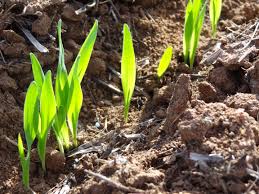
NSW producers considering late sowing barley in consideration of the dry start to winter have been advised to take paddock selection and seed quality into account.

With the lack of substantial winter rainfall, many growers have dry sown a proportion of their winter cereal crop and are now waiting on rain before committing to further plantings.

As the sowing window becomes later, growers are increasingly looking to barley as a late sowing option. In some cases this might also be to increase the level of stubble cover to reduce the risk of erosion and runoff in bare paddocks.

NSW Department of Primary Industries (DPI) Research Agronomist, Rick Graham said barley is considered a lower fertiliser input crop, which is seen as more adaptable and tolerant of short seasons, in comparison to spring wheat varieties.

“When deciding to late sow, growers need to take into account paddock selection and history as the impact of potential weed problems and any sub-soil constraints are likely to be amplified in a dry season.

“Growers will need to consider seed quality, particularly seed size and germination percentages, when looking at late sowing options and adjust seeding rates accordingly,” said Rick.

Growers currently have access to a number of late sowing/early maturing barley variety options, which are photoperiod sensitive, enabling them to speed up development when sown later.

To read the full article visit https://www.dpi.nsw.gov.au/about-us/media-centre/releases/2018/considerations-for-late-sown-barley-crops.

Filed Under: Rural Round Up

Click here to download the recent issue (176) of The Forbes & Parkes Phoenix (1.6MB PDF) – 13th February 2026

SEARCH THE PHOENIX

STAY CONNECTED

The Forbes Phoenix would like to thank you, our Facebook friends, for your continued support and readership!

Recent Articles

  • A $7.6 Million Boost For Forbes Future Water Security February 12, 2026
  • Mayoral Notes February 12, 2026
  • Snippets… February 12, 2026
  • Indigenous Storytellers Scholarship Returns February 12, 2026
  • Meet Indigenous Chef Mindy Woods At Forbes Crop Swap February 12, 2026

Phoenix Office 7/113-127 Rankin Street, Forbes NSW 2871

Editor 0432 337 278
editor@forbesphoenix.com.au

Sales 0432 337 278
sales@forbesphoenix.com.au

View our Privacy Policy. View our Conflict Resolution Process. View our Ethics and Complaints Policy. Want to advertise with us? Information on our Community Promotions.

We are always looking for new articles of interest to the local community.

Please feel free to submit an article for possible inclusion in a future issue.

To submit an article, click here to use our online article submission form.

Subscribe

* indicates required

Copyright © 2026 · Magazine Pro Theme On Genesis Framework · WordPress · Log in

Go to mobile version