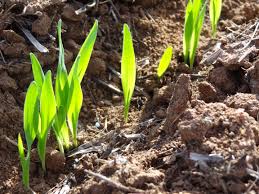
NSW producers considering late sowing barley in consideration of the dry start to winter have been advised to take paddock selection and seed quality into account.
With the lack of substantial winter rainfall, many growers have dry sown a proportion of their winter cereal crop and are now waiting on rain before committing to further plantings.
As the sowing window becomes later, growers are increasingly looking to barley as a late sowing option. In some cases this might also be to increase the level of stubble cover to reduce the risk of erosion and runoff in bare paddocks.
NSW Department of Primary Industries (DPI) Research Agronomist, Rick Graham said barley is considered a lower fertiliser input crop, which is seen as more adaptable and tolerant of short seasons, in comparison to spring wheat varieties.
“When deciding to late sow, growers need to take into account paddock selection and history as the impact of potential weed problems and any sub-soil constraints are likely to be amplified in a dry season.
“Growers will need to consider seed quality, particularly seed size and germination percentages, when looking at late sowing options and adjust seeding rates accordingly,” said Rick.
Growers currently have access to a number of late sowing/early maturing barley variety options, which are photoperiod sensitive, enabling them to speed up development when sown later.
To read the full article visit https://www.dpi.nsw.gov.au/about-us/media-centre/releases/2018/considerations-for-late-sown-barley-crops.