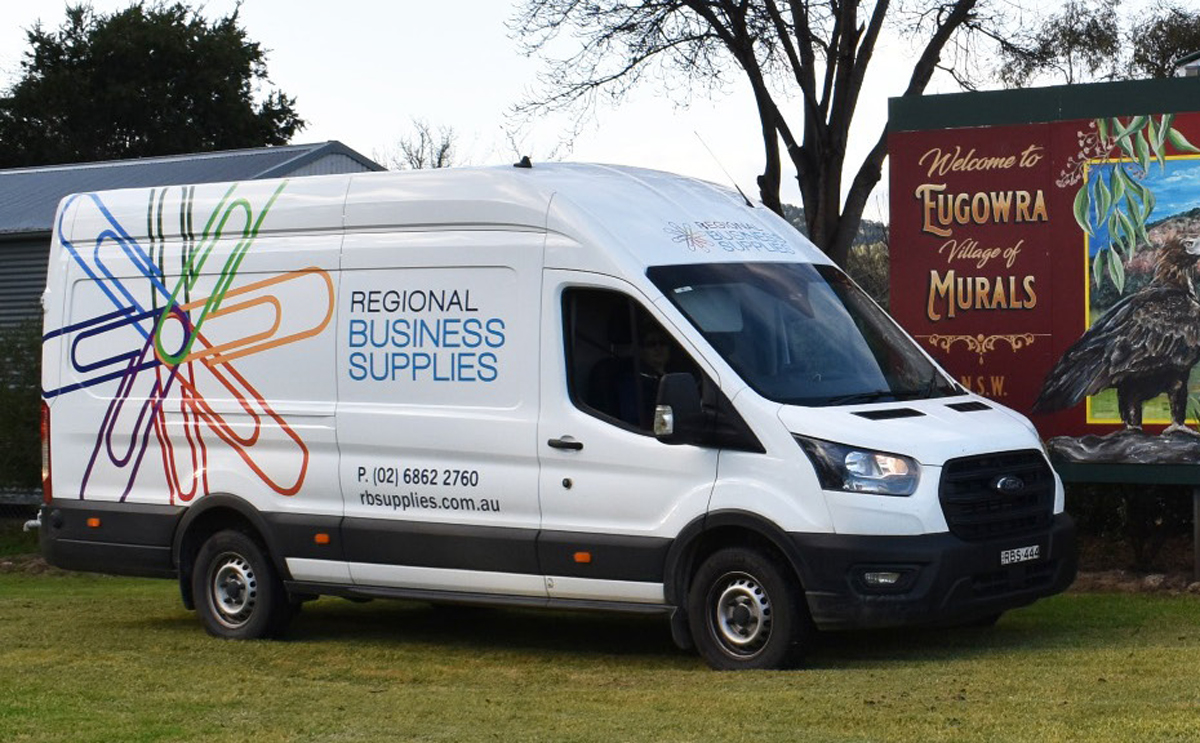
You may recognise the RBS van? It delivers to all surrounding areas. Contact to enquire about delivery options 0268 2760.
Marty Sammut-Paul and her husband Gregor are the owners and operators of Regional Business Supplies, also an independent member of the Office Brands network. In 2013, Marty and Gregor made the move from metropolitan Queensland to the regional town of Parkes, New South Wales where they purchased and now work full time in the family-owned business.
Having lived in a regional area for more than a decade now, Marty has become an expert and a mentor to fellow rural business owners. She and her family are proud members of their community, regularly committing both their personal and professional resources to helping local people in need, fundraising for worthwhile causes, and sponsoring awards for local schools. Prior to taking the plunge as an entrepreneur, Marty worked as a psychologist for more than 20 years, acquiring a unique skillset that helps her to navigate the sometimes complex requirements of owning and running a business.
Marty said “Running a business is no easy feat no matter who you are or where you live. Becoming a rural business owner, however, presents its own set of unique challenges. Despite this, it also offers amazing rewards along the way.”
“There has been no shortage of lessons learned over the past decade, and as a regional business owner, I know just how important it is for entrepreneurs to learn from each other as much as possible.”
With that in mind, there are four pieces of advice Marty has for rural entrepreneurs hoping to grow their regional business.
Be adaptive in times of confusion and chaos
As a business owner, it’s inevitable that there will be times when chaos and confusion feel like a threat to your brand. In the past few years, we’ve seen this occur on a large scale with the pandemic, floods, droughts, and worsening economic conditions. On a smaller scale, staffing issues, supply chain problems, and cash flow difficulties are all very common – and stressful – problems that business owners can run into.
A great example of this is during the COVID-19 pandemic when businesses – particularly regional businesses – were doing it tough sourcing Covid related supplies in order to keep their businesses running. As a B2B supplier ourselves, we quickly realised that we had to adapt our own inventory process from a ‘Just In Time’ warehousing model to a ‘Just In Case’ warehousing model to ensure we had stock to meet our customers’ needs.
In times when your business is experiencing chaos or disruption, being flexible and confident enough to take your existing skill set and fill in the gaps can be a game-changer. As a business owner, being adaptive enough to think outside the box and discover how your interests, skills, and past experience can be best utilised, these crucial qualities, running your business in times of confusion or chaos can feel like trying to fit a square peg in a round hole.
Keep your business model clear and simple
When my husband and I first bought our business, we made the error of trying to be everything to everyone. Not only were we offering B2B solutions, but we were also delving into B2C. After a while, we realised that this was holding us back due to the time, money, and resources spent on consumer products that simply weren’t profitable enough.
One of the best things we ever did for our business was revise our model to be as clear and simple as possible. You can’t service everyone, so honing in on who your customers are and what they need or want is essential. Once you do that, you can have a clear lens through which to consider the rest of your operations – are there any areas that don’t serve your customer? What is the financial and resource cost of holding a product or space that is underutilised? How could your time, money, and space be better spent to address customer needs?
Connect with fellow rural entrepreneurs
As a rural business owner, the challenges you face can look very different to those of other brands. Taking opportunities to connect and learn from people who have tackled the hurdles that come along with regional business development can be a great way to learn new skills and take your business to the next level.
I’ve found that joining a business supplies and dealer group has been a great way to facilitate this. We’ve been a part of the Office Brands network since purchasing our business, allowing us to meet fellow entrepreneurs and connect with people who understand the unique challenges that regional brands can face. The lessons you learn from speaking to fellow business owners with different perspectives and insights can be invaluable!
Don’t bring big city mentality to a small town
One of the most important aspects of running a rural business is the connection you have to the community. The biggest mistake you could make is bringing a city mentality – where business typically comes before community – to a smaller town where the opposite is true. In rural communities, business success is about more than just selling products.
Central to our business in the Parkes and the greater Central West community over the past decade is ensuring our team are relationship managers first and foremost. Our goal has always been to establish ourselves for long-term success, and that means understanding the needs of the community rather than always going in for the sale.
Taking the time to help out a local community member even in situations where you won’t make a sale is a prime example of nurturing great relationships. Another major aspect is contributing to community causes. Being in a rural community is give and take, which means in hard times it’s essential that you show up in the best way you can. We’ve seen regional areas of Australia do it tough in the past few years with floods, droughts, and the slowing down of industry. Being a part of a loyal community will build trust and longevity, and ensure you receive the same support in return if you ever need it.
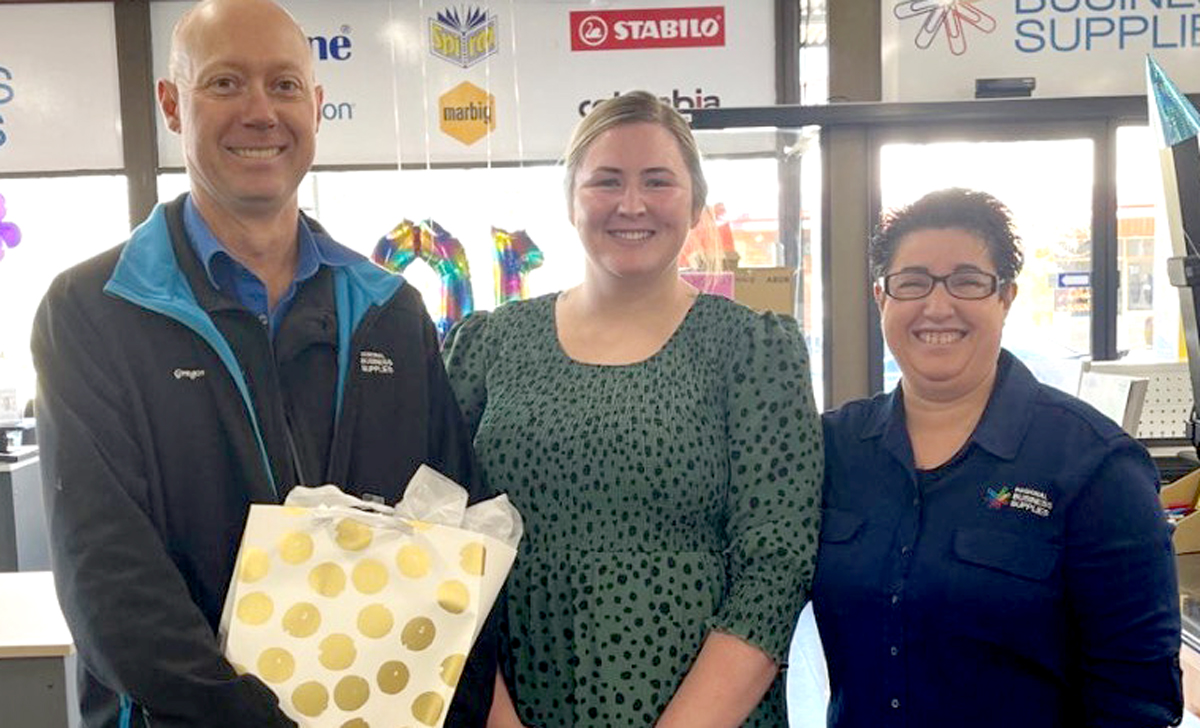
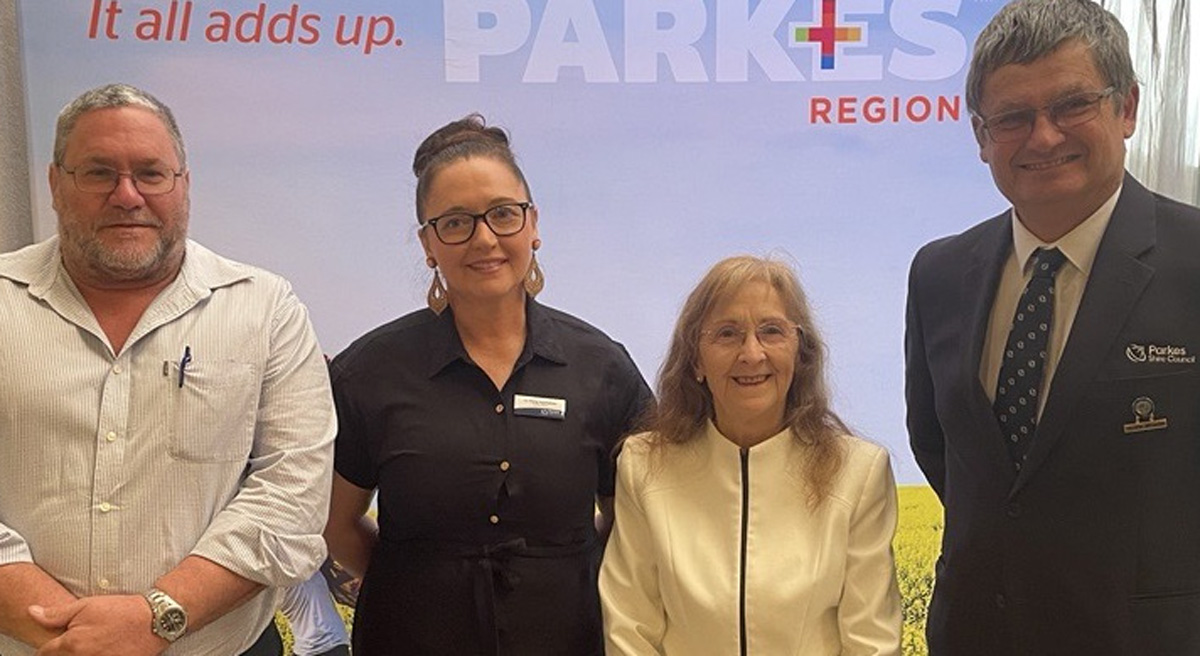
Left, Gregory Sammut-Paul, and on the right, Marty Sammut-Paul.