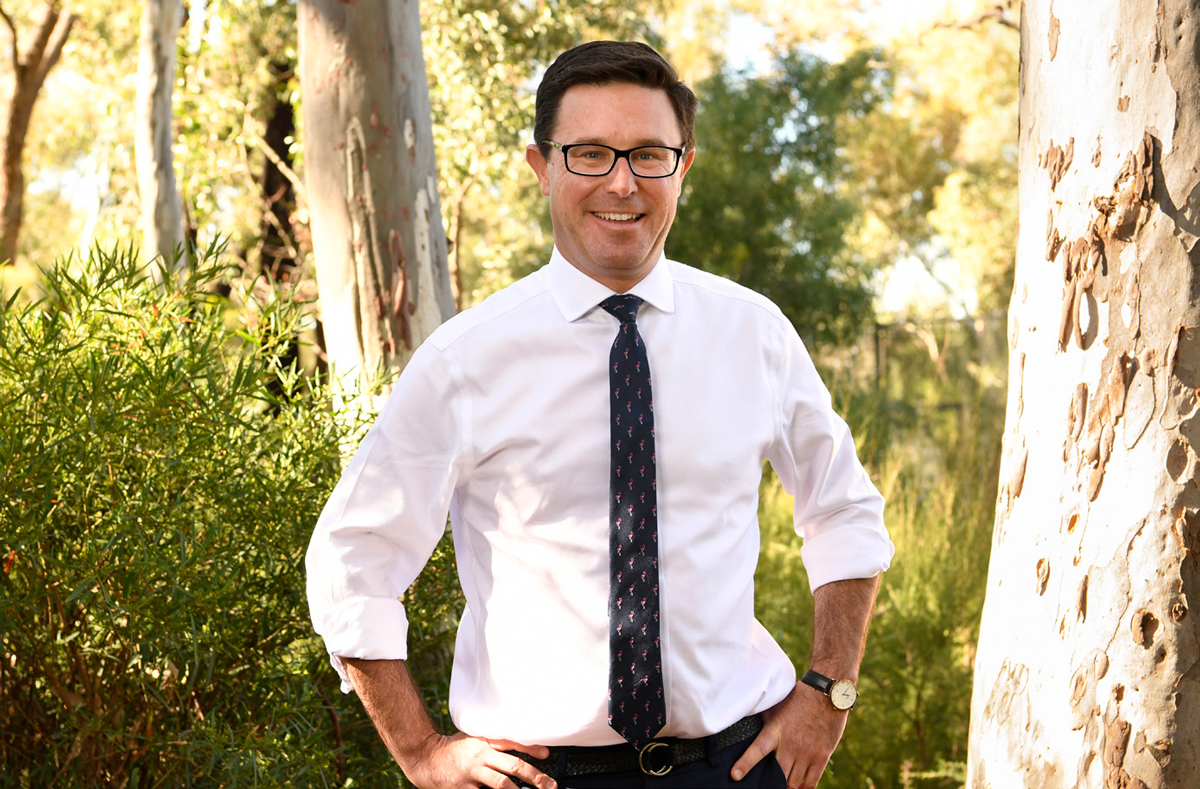
Pictured is the Hon David Littleproud MP. Leader of the Nationals Party.
As you head down any highway across regional Australia the landscapes may change drastically but certain things stay the same. Some of the most common sights you’ll pass during your travels are four-wheel drives, utes, and family cars. It doesn’t take much investigation to figure out why these types of vehicles are so popular in the bush.
They are designed to accommodate the whole family, carry your tools of the trade, and importantly are designed to travel long distances, which is the reality of living in regional Australia. However, regional Australians are set to pay significantly more for these types of vital vehicles under this Labor Government’s new ute and family car tax.
Under this policy, in February, the Federal Chamber of Automotive Industries predicted the price of Australians’ favourite vehicles is set to skyrocket. The cost of a Ford Ranger is predicted to rise by $17,950, while the price of a Toyota Hilux is forecast to soar by $14,490 and the Isuzu D-Max could increase by $13,830. This Labor Government has labelled it as an efficiency standard, but it simply is a tax.
We all want to see cleaner and cheaper cars and utes on our roads as we head towards net-zero by 2050, but Labor’s plan is not the answer.
There is proof of these types of plans having adverse impacts in other countries such as New Zealand where a similar tax drove up the cost of a car by about NZ$7,000.
There are also concerns that some manufacturers will withdraw from the Australian market altogether.
It’s not just a differing view of politics, industry leaders have warned that carmakers will have no choice but to pass on the costs associated with Labor’s efficiency standard.
In February, Australian Automotive Dealers Association CEO James Voortman said “this policy goes too far too fast and that consumers will be the big losers”.
This type of prediction is a worrying one for all Australians during a cost-of-living crisis, but especially for those of us who live in the bush where we rely on these vehicles to support our families and our communities.