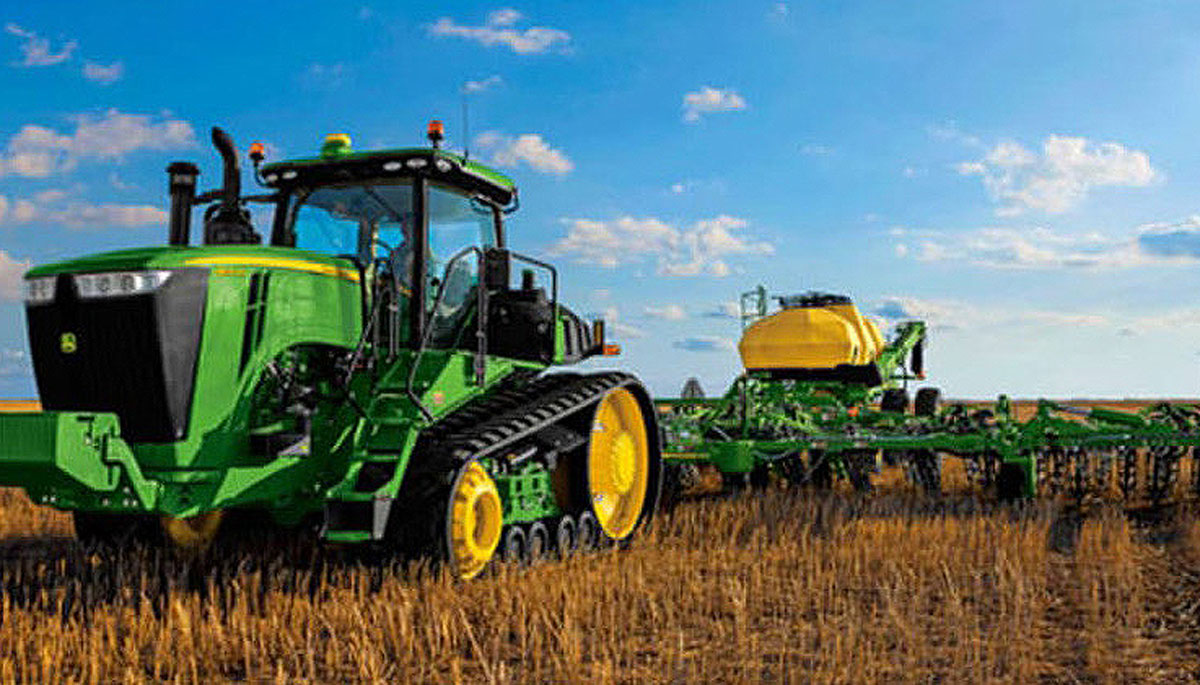
By making informed decisions about equipment and vehicles prior to beginning a task, we can create safer working environments in the agricultural industry.
According to the 2023 Safer Farms Report, 64% of fatalities on Australian farms in 2022 were attributed to farm vehicles or mobile farm machinery. Since 2001, nearly 30% of all on farm fatalities can be attributed to two vehicles: tractors and quad bikes.
Farmers rely on different vehicles for a wide range of tasks, each task demands a specific vehicle with the necessary features and capabilities. Choosing the right vehicle significantly reduces the risk of injuries and fatalities. To select the right vehicle:
Assess Job Requirements: Begin by assessing the specific needs and requirements of the task and consider factors such as load capacity, terrain conditions, and manoeuvrability. Matching the vehicle’s capabilities to the job requirements is crucial for optimal safety.
Consider Operator Comfort and Familiarity: A comfortable and familiar vehicle promotes operator confidence and reduces the likelihood of incidents. Ensure that all operators, including contractors, receive appropriate information and training to handle the chosen vehicle safely and efficiently.
Evaluate Safety Features: Prioritise purchasing vehicles equipped with safety features designed to protect operators. Features such as seat belts, roll bars, and enclosed cabs offer crucial protection in the event of a rollover. Don’t compromise on safety and never circumvent safety mechanisms when selecting vehicles.
Maintain and Inspect Regularly: Establish a regular maintenance and inspection schedule. Routine checks of brakes, lights, tyres, and other essential mechanisms ensure that the vehicle remains in prime working condition. Promptly address any repair needs to prevent potential hazards.
Promote Communication and Training: Encourage open communication among farm workers to share insights and experiences related to vehicle safety. Check operators have the necessary licences. Provide comprehensive training to all operators, emphasising safe operating procedures, load limits, and any specific considerations related to the chosen vehicles such as speed limits, age limits and required personal protective equipment (PPE).